
5 Card Poker | Rules, Strategy & Demo Guide
5 Card Poker is a compact cards title for players who want a familiar hand ranking and a clear decision point. This 5 Card Poker guide explains the table rhythm, the 5 Card Poker Demo learning path, and the way hawk live 5 Card Poker fits a mobile session.
Quick answer: deal five cards, read the strongest made hand, choose which cards to keep or replace when the table permits a draw, and compare the final hand with the displayed paytable. A 5 Card Poker Demo is useful for learning the controls, while real-money play should begin only after a player understands the stake, return information and personal stop limit.
5 Card Poker nearby picks for a varied cards session
More cards



These related cards titles are promotion entries, not detail-page links. They let a visitor compare a steady hand-reading exercise with shorter chance-led rounds without leaving the Hawk Live mobile canvas.
5 Card Poker return view: how to read the percentage
Answer: the return figure for 5 Card Poker is a long-run mathematical estimate, not a promise for the next hand. Read the published paytable and any displayed return information before choosing a stake; a 5 Card Poker Demo can show the sequence, but it cannot turn a short sample into a reliable forecast.
For hawk live 5 Card Poker, the useful question is not “will this hand win?” but “what does the paytable reward, and does the table pace suit my planned units?” Return-to-player describes an average across a very large number of settled outcomes. It does not predict the order of pairs, straights, flushes or losing hands. A 5 Card Poker Demo is therefore a control lesson, not evidence of a favourable streak.
Start with the paytable
Check which hand ranks are paid, whether a qualifying hand is required, and whether the displayed amount includes the original stake.
Separate return and variance
A theoretical return says nothing about how often results arrive. A high swing can empty a small session budget quickly.
Use a meaningful sample
A few hands in a 5 Card Poker Demo reveal button order, not the long-run behaviour of the game model.
Keep a stop rule
Choose a loss ceiling and a time limit before opening hawk live 5 Card Poker; do not move either after a loss.
Questions the percentage cannot answer
Return information cannot select a hand for you, recover a previous loss or guarantee a qualifying combination. It also cannot replace the rules shown at the table. On hawk live com, compare the wording on the live screen with the player-facing explanation and note any minimum stake, maximum award or feature condition. The hawk live player guide is most useful here as a checklist: it encourages a player to confirm terms rather than infer them from a recent result.
5 Card Poker screen cues: a visual tour before play
Answer: the screen should make the five-card hand, keep or draw controls, wager state and settlement result easy to distinguish. Use the 5 Card Poker Demo first if you need to learn where each cue appears; the images below are local interface references, while the exact live layout remains the authority when a session opens.
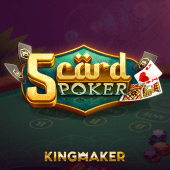


Look for four practical details in the real screen: a readable balance, an unambiguous current wager, a clear selected-card state and a settlement message that remains visible long enough to read. If one is hidden by a browser zoom level, rotate the phone or close an overlay before proceeding. The hawk live player guide treats these visual checks as part of game access, not as decoration. A 5 Card Poker Demo is worthwhile when it helps you locate these details without pressure.
5 Card Poker questions: answers before a first hand
Answer: begin with the rules and paytable, use the 5 Card Poker Demo to learn the controls, and only then decide whether the stake and pace fit your session plan. The following answers focus on practical questions a Philippine mobile visitor may have about hawk live 5 Card Poker.
What is the basic objective?
Build or hold the strongest qualifying five-card hand allowed by the displayed rules. Hand ranking and payout conditions matter more than the artwork. A 5 Card Poker Demo lets you rehearse the order of deal, selection and settlement before a wager is meaningful.
What does a draw decision do?
A draw decision replaces the cards you do not keep when the table rules allow it. It does not change the underlying chance of the new deal. In hawk live 5 Card Poker, read the selected state carefully and verify the final confirmation before continuing.
Is the 5 Card Poker Demo a guarantee of results?
No. The 5 Card Poker Demo is for orientation and practice. It can show interface timing and hand labels, but a short run cannot establish a return rate or predict a future hand. Keep demo observations separate from real-money records.
Where should a new player check terms?
Read the paytable, stake controls and any on-screen conditions at hawk live com before confirming an entry. The hawk live player guide can help explain general terms, but the current table rules take priority if wording differs.
Can a recent loss make a win more likely?
No. Each settled hand is an independent outcome under the game model. Do not increase a stake to chase a result; restart with the same unit plan or end the session. A 5 Card Poker Demo cannot change this probability principle.
What should I do if the controls are unclear?
Pause, inspect the hand state, and use the 5 Card Poker Demo again rather than guessing. Check your connection and browser zoom, then seek account help if a balance or settlement looks inconsistent. Never confirm an action you cannot identify.
For a short comparison, a visitor who enjoys a fast visual rhythm can also explore Heat Bingo for quick rounds after finishing this cards overview; the games should remain separate in your notes and budget.
5 Card Poker strategy: decisions that keep a session measured
Answer: sound 5 Card Poker strategy starts with rules, hand recognition and consistent stake sizing, not a promise to beat chance. Practise the sequence in the 5 Card Poker Demo, make draw choices from the displayed hand, and keep a written stop point before using hawk live 5 Card Poker.
- Set the unit: divide the amount you can afford to lose into small, pre-decided units. A single 5 Card Poker hand should not decide the entire session.
- Read before acting: identify the hand, inspect which cards are selected and check the wager. Slow down when the interface changes after a draw.
- Use the paytable: compare the hand you hold with the actual award rows. Do not assume that an attractive label carries the same value at every table.
- Keep decisions consistent: use the same reasoning for similar hands instead of changing rules because the previous hand won or lost.
- Track the session: note stake, result and time. Records expose chasing and show whether hawk live 5 Card Poker remains suitable for your chosen budget.
- Stop on the rule: finish at the planned loss, time or win boundary. A 5 Card Poker Demo is always available for further practice later.
What strategy can and cannot improve
Strategy can improve attention, reduce accidental taps and help you choose a table whose pace matches your comfort. It cannot alter a random deal, turn a losing hand into a qualifying hand or guarantee a profit. This distinction is central to a responsible 5 Card Poker strategy and to every useful hawk live player guide.
When reviewing hawk live com, compare the information screen with your notes rather than relying on memory. A player who likes to test a second title can use the cards grid above, but should close the first session and reset the budget first. The same rule applies if you move from 5 Card Poker to Pinata Wins and its feature-led pace: a different title is not a reason to carry a loss forward.
5 Card Poker for different sessions: practical guidance by use case
Answer: choose 5 Card Poker when you want a deliberate hand-by-hand activity and can give each decision your attention. Choose the 5 Card Poker Demo for learning, use a small defined budget for a brief entertainment session, and leave hawk live 5 Card Poker when the table no longer feels clear or controlled.
First-time orientation
Use a 5 Card Poker Demo to find the deal, hold, draw and settlement controls. Stop once the sequence feels familiar rather than repeating without a purpose.
Short mobile break
Set a time alarm and a modest unit count before opening hawk live 5 Card Poker. A short break should not become an open-ended chase.
Comparing card titles
Record rules, pace and interface clarity separately. Do not compare a 5 Card Poker payout row with a different game's model as if they were identical.
Returning player
Recheck the current paytable and limits each time. A familiar 5 Card Poker screen may still present updated terms or a changed stake range.
Make the choice fit the moment
For study, use the 5 Card Poker Demo with notes and no pressure. For entertainment, use hawk live 5 Card Poker only inside a time-boxed plan. For a social browsing session, look at the related cards entries without opening several wagers at once. If you are tired, distracted or trying to recover a prior loss, the correct use case is to close the table.
The hawk live player guide is a useful reminder to verify identity, account limits and payment status before a larger session, while hawk live com is the place to confirm the live account interface. Keep login information private, use only official access and do not treat a promotional message as a promise. A player who wants a change of pace can read Sweet Bonanza's game overview later, after the 5 Card Poker record is closed.
In every use case, the practical sequence is simple: understand, practise, set a boundary, act deliberately and review. That sequence makes a 5 Card Poker page useful even when the correct decision is not to play. It also keeps the 5 Card Poker Demo in its proper role as a learning aid rather than a prediction tool.